
Insects and spiders, identified from a photo
What bug is this?
WhatBug.id is a photo identifier for the insects and spiders you find in the house, the garden, and on you. Snap it, see the closest matches, learn whether it bites and what to do next.
How it will work
- 01
Snap a photo
Take a clear photo of the bug, or upload one you already have.
- 02
Get the closest matches
See the likeliest species side by side, with the features that separate them.
- 03
Learn what to do next
Find out whether it bites, whether it means a pest problem, and what to do about it.
Twelve common finds
Each one has a tell: the feature that separates it from the bugs it gets mistaken for.
Swipe for all 12 →
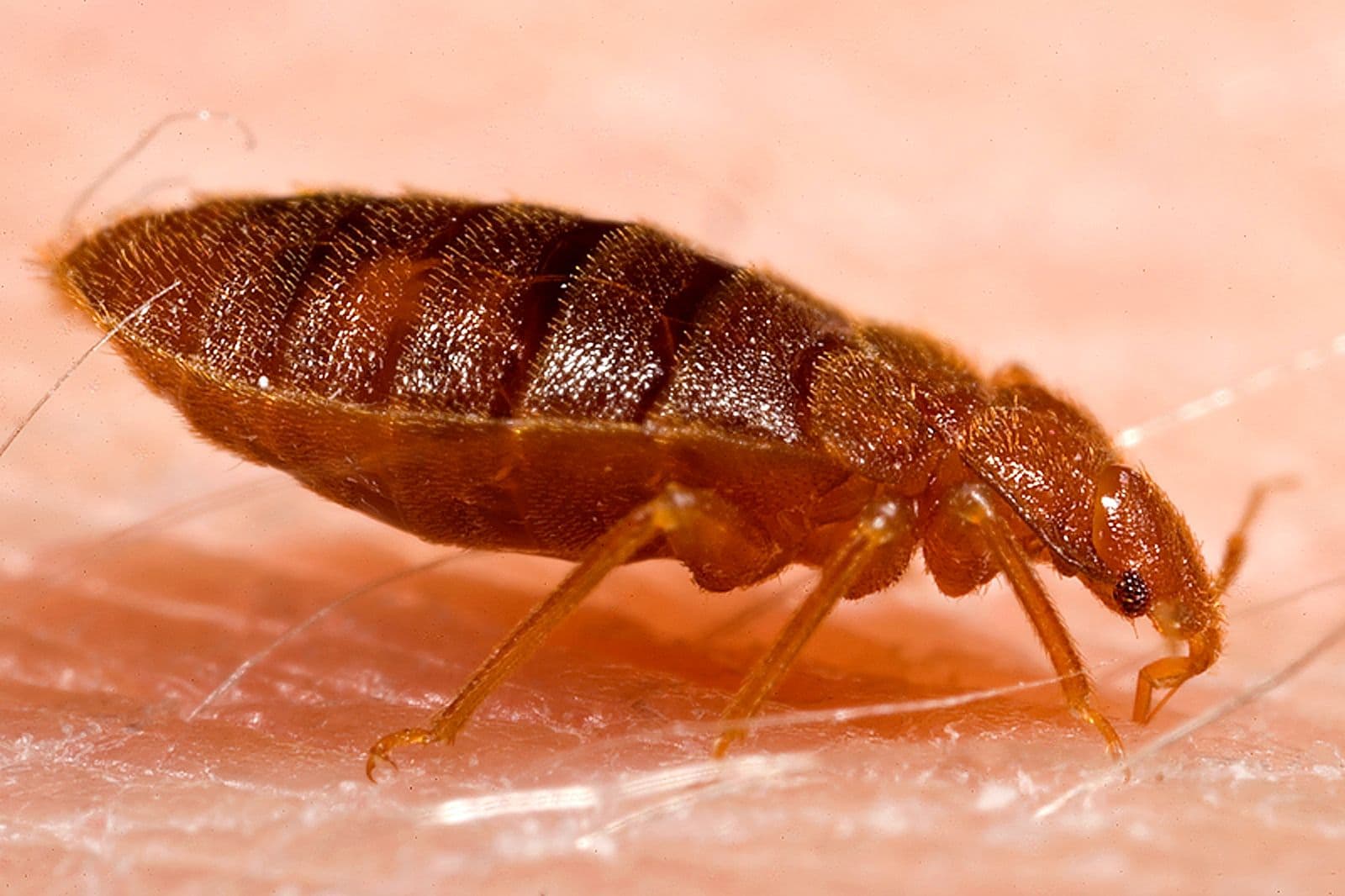 BitesNo.01
Bed Bug
Cimex lectularius
Flat, oval, apple-seed brown, hides in mattress seams, leaves bites in lines.
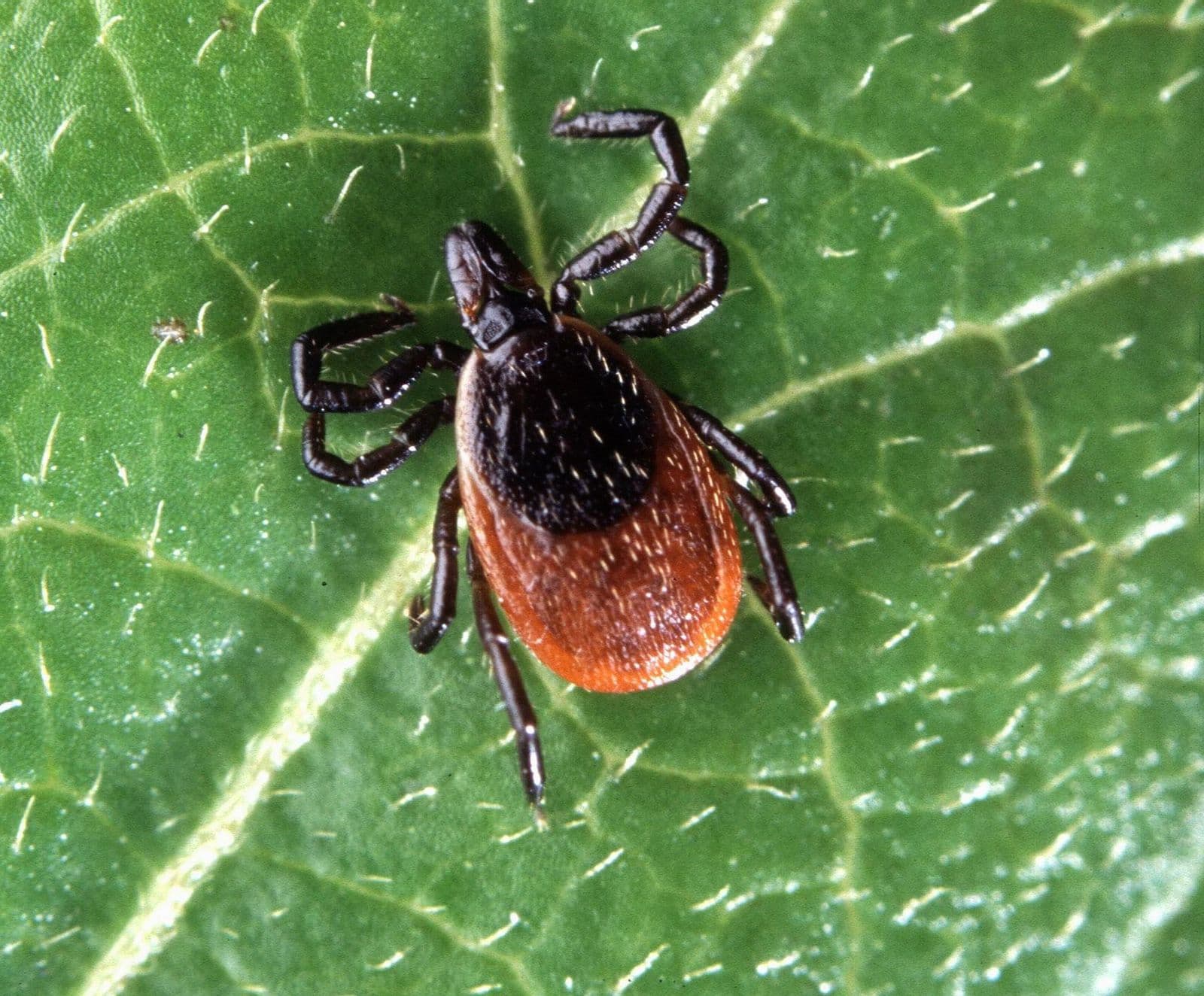 Bites, disease riskNo.02
Black-legged Tick
Ixodes scapularis
Eight legs, no antennae, dark shield behind the head, swells after feeding.
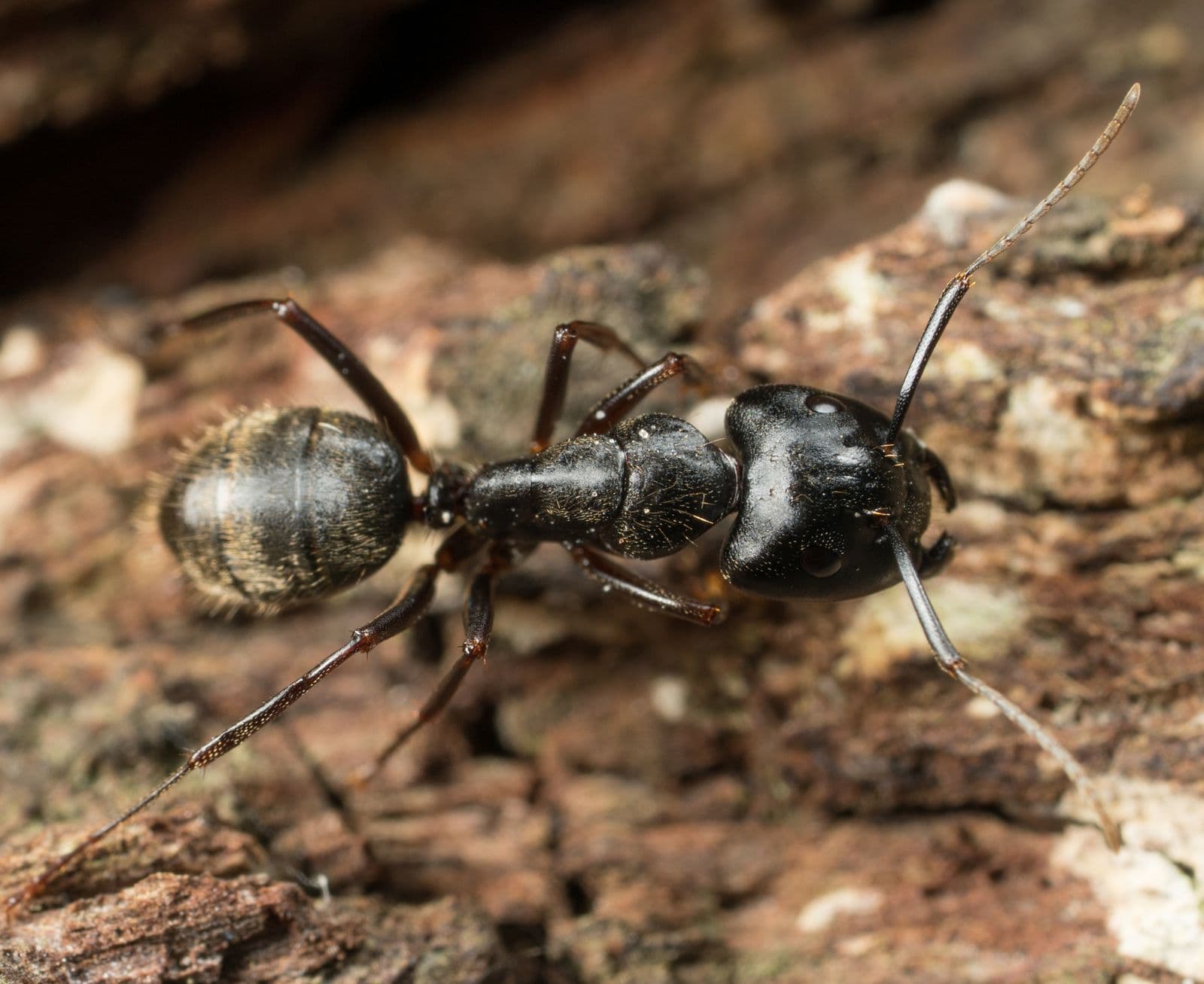 Household pestNo.03
Carpenter Ant
Camponotus
Large black ant, smoothly rounded back, sawdust piles near wood.
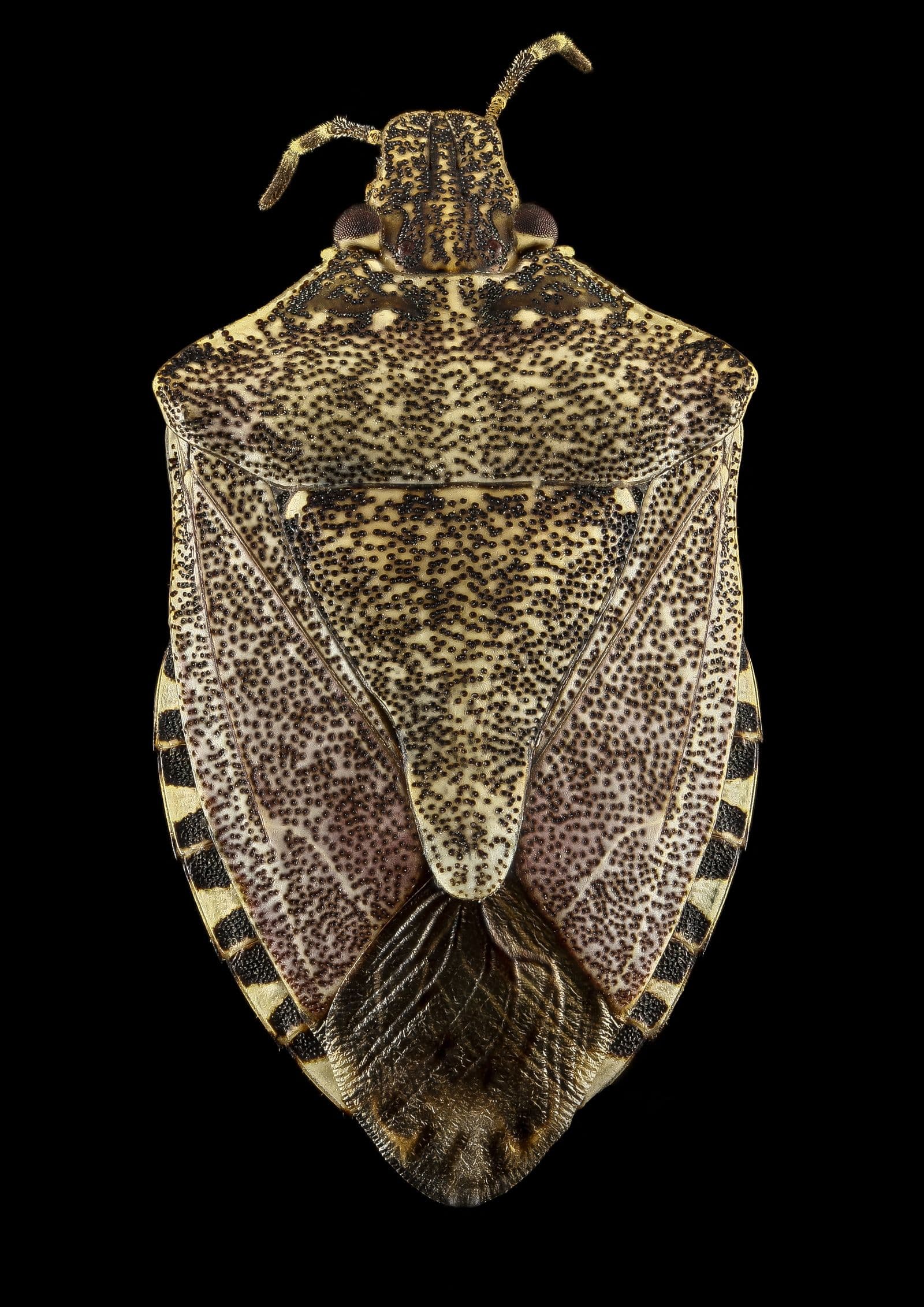 Harmless, nuisanceNo.04
Brown Marmorated Stink Bug
Halyomorpha halys
Shield shape, mottled brown, white bands on antennae, smells when crushed.
 Household pestNo.05
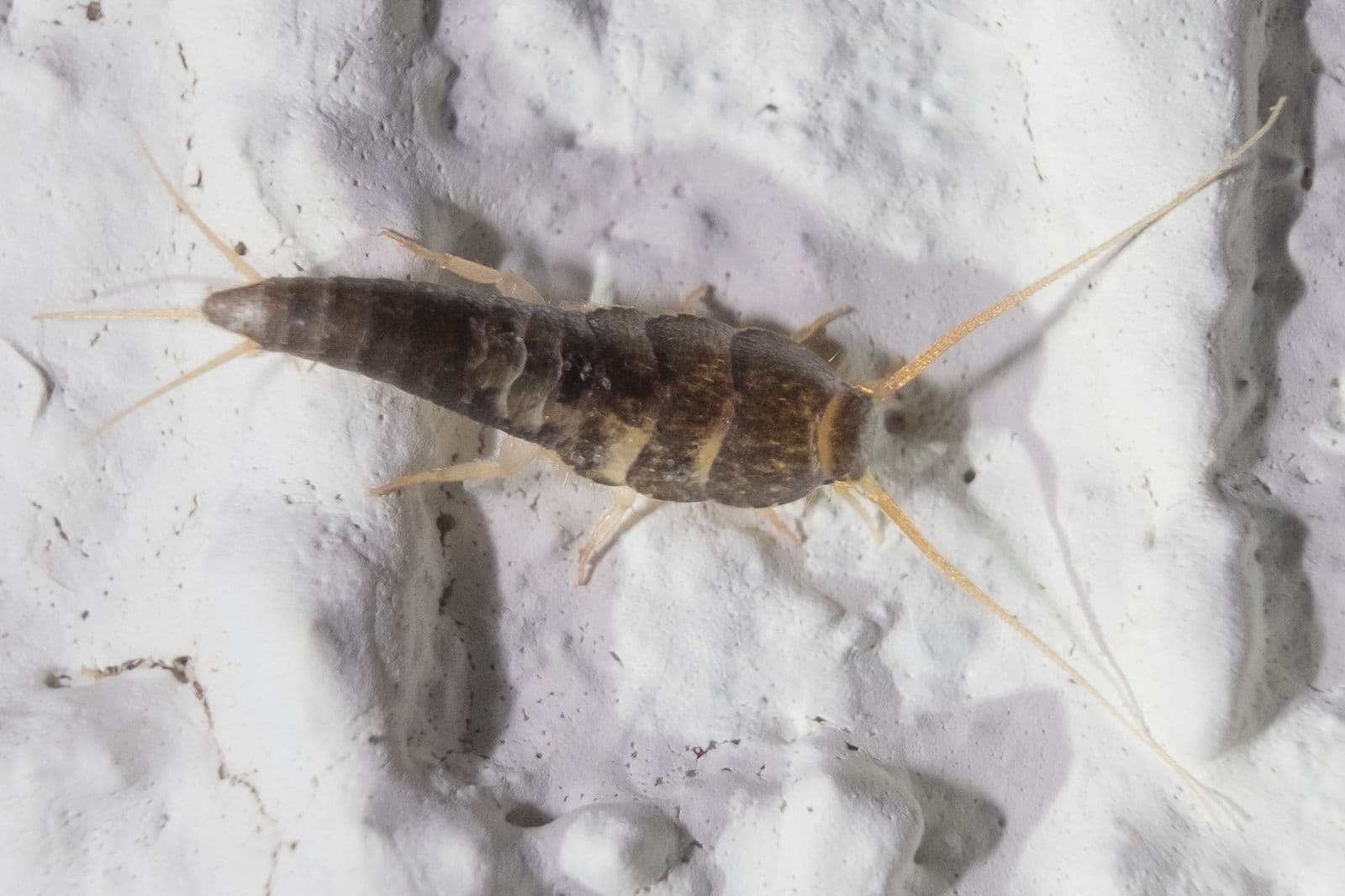
Silverfish
Lepisma saccharinum
Teardrop body, silvery scales, three tail bristles, wriggles like a fish.
 Harmless, can biteNo.06
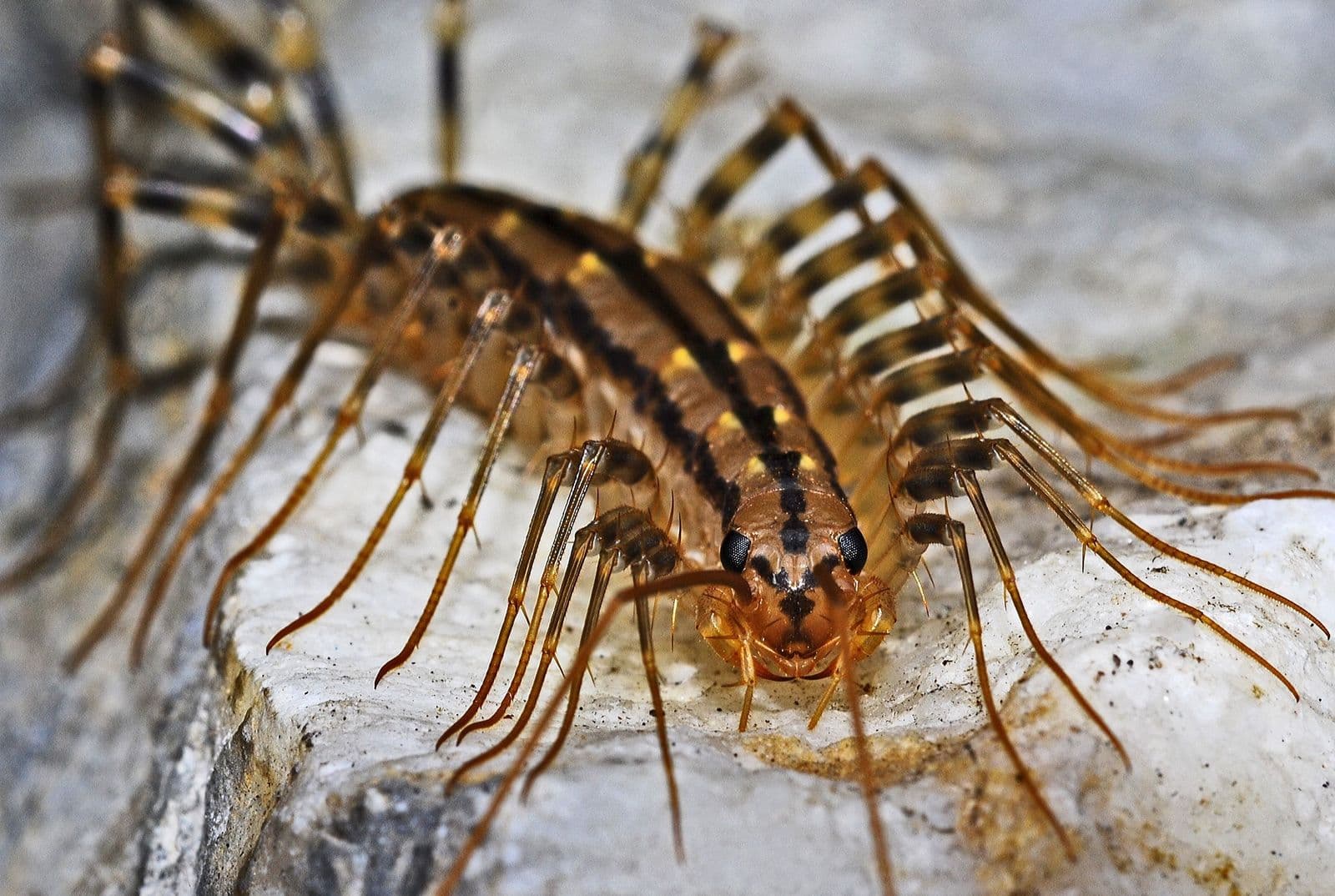
House Centipede
Scutigera coleoptrata
Fifteen pairs of long striped legs, very fast, eats other bugs.
 Harmless, can biteNo.07
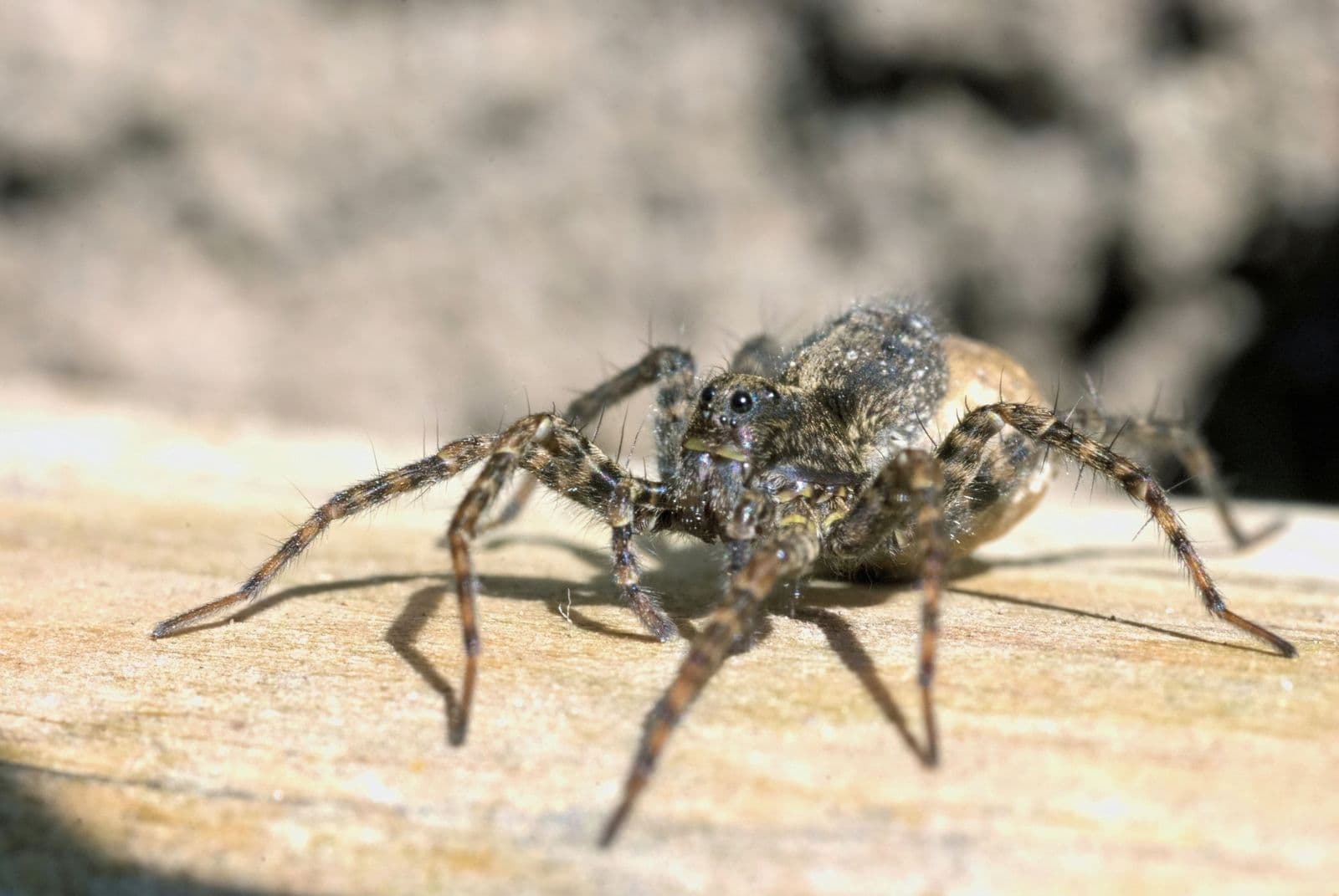
Wolf Spider
Lycosidae
Hairy, brown, hunts on the ground, carries its egg sac and then its young.
 VenomousNo.08
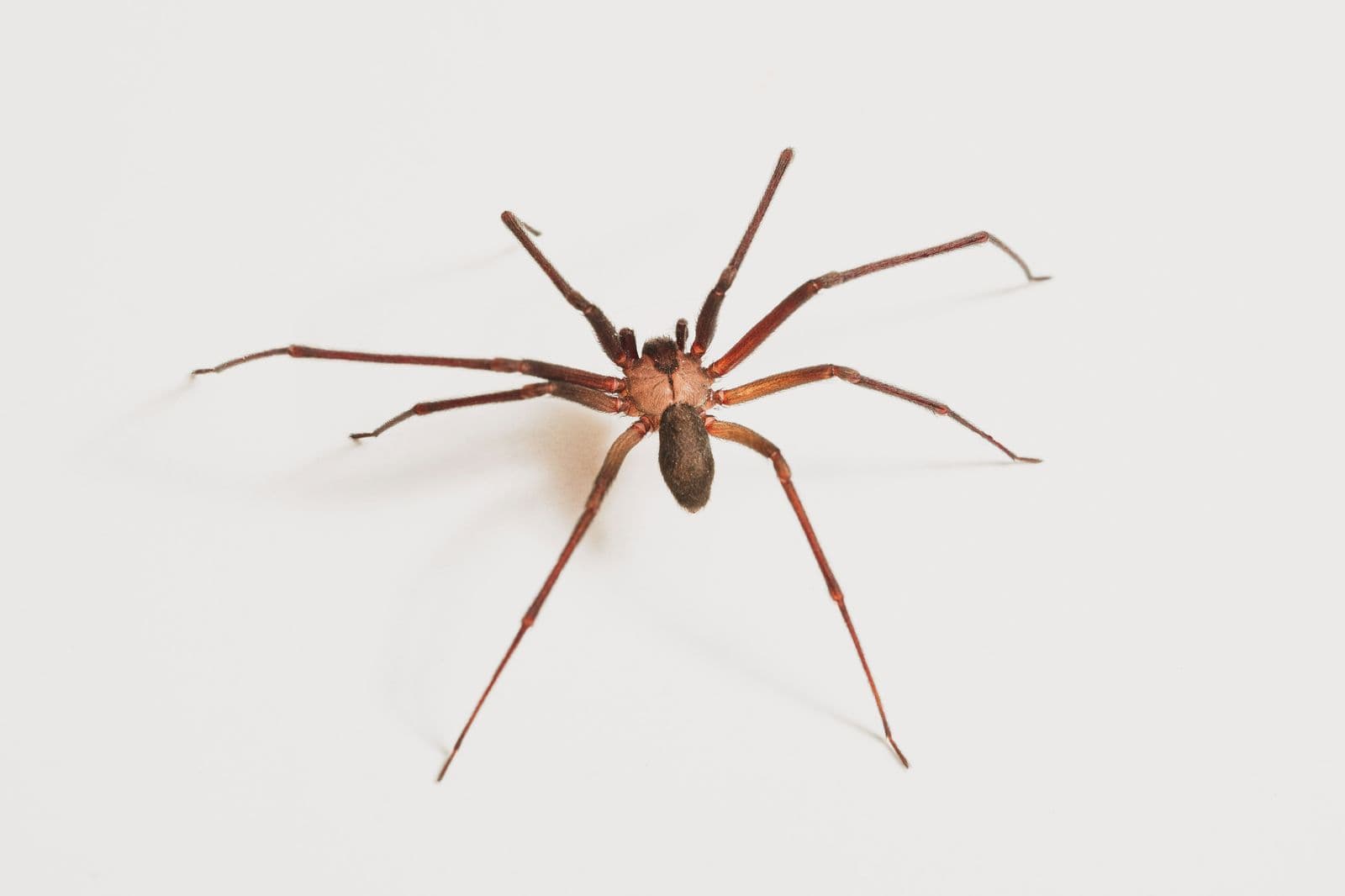
Brown Recluse
Loxosceles reclusa
Violin mark behind the head, six eyes in three pairs, uniform tan.
 Harmless, nuisanceNo.09
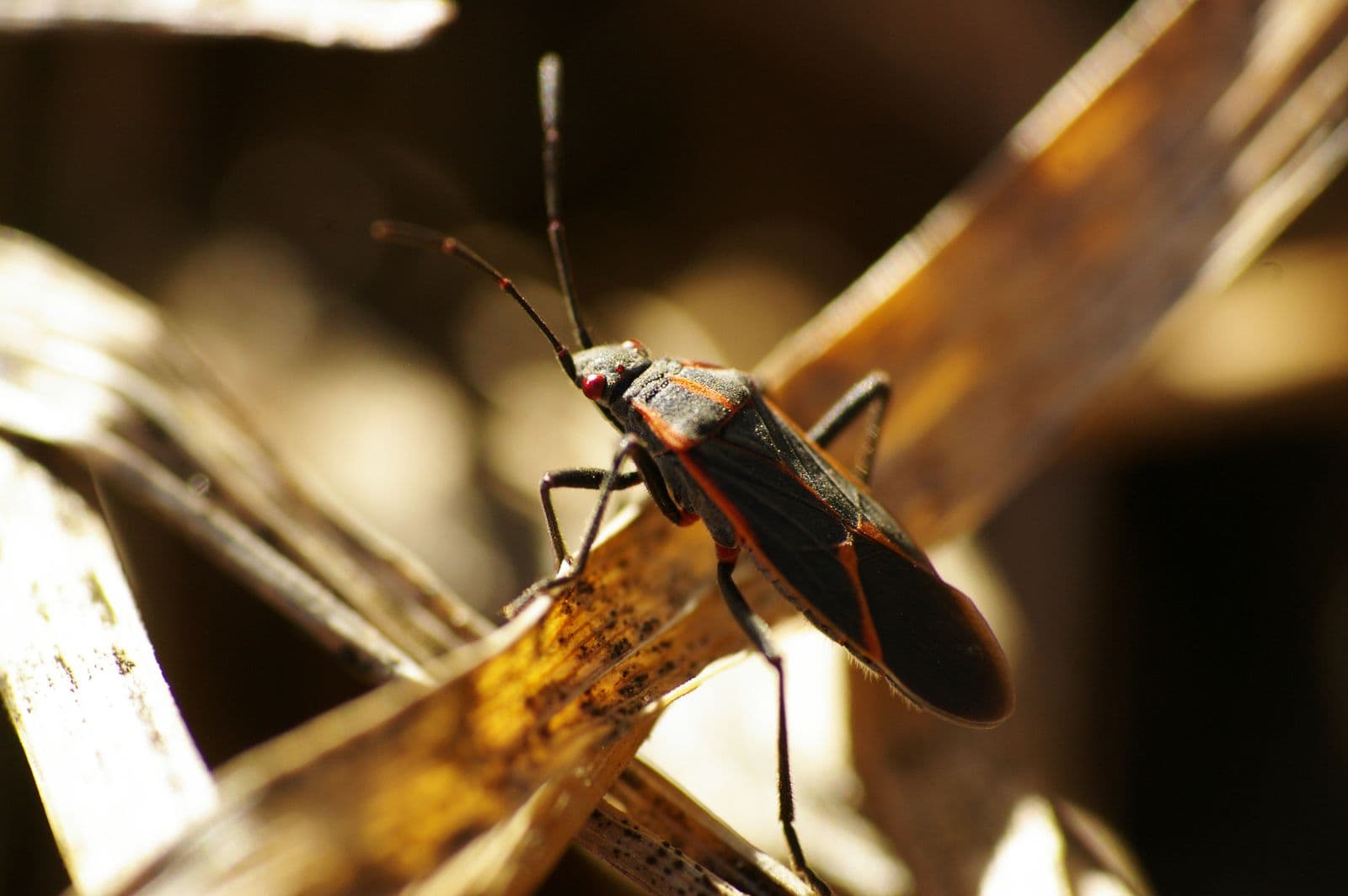
Boxelder Bug
Boisea trivittata
Black with three red lines behind the head, swarms on sunny walls in fall.
 HarmlessNo.10
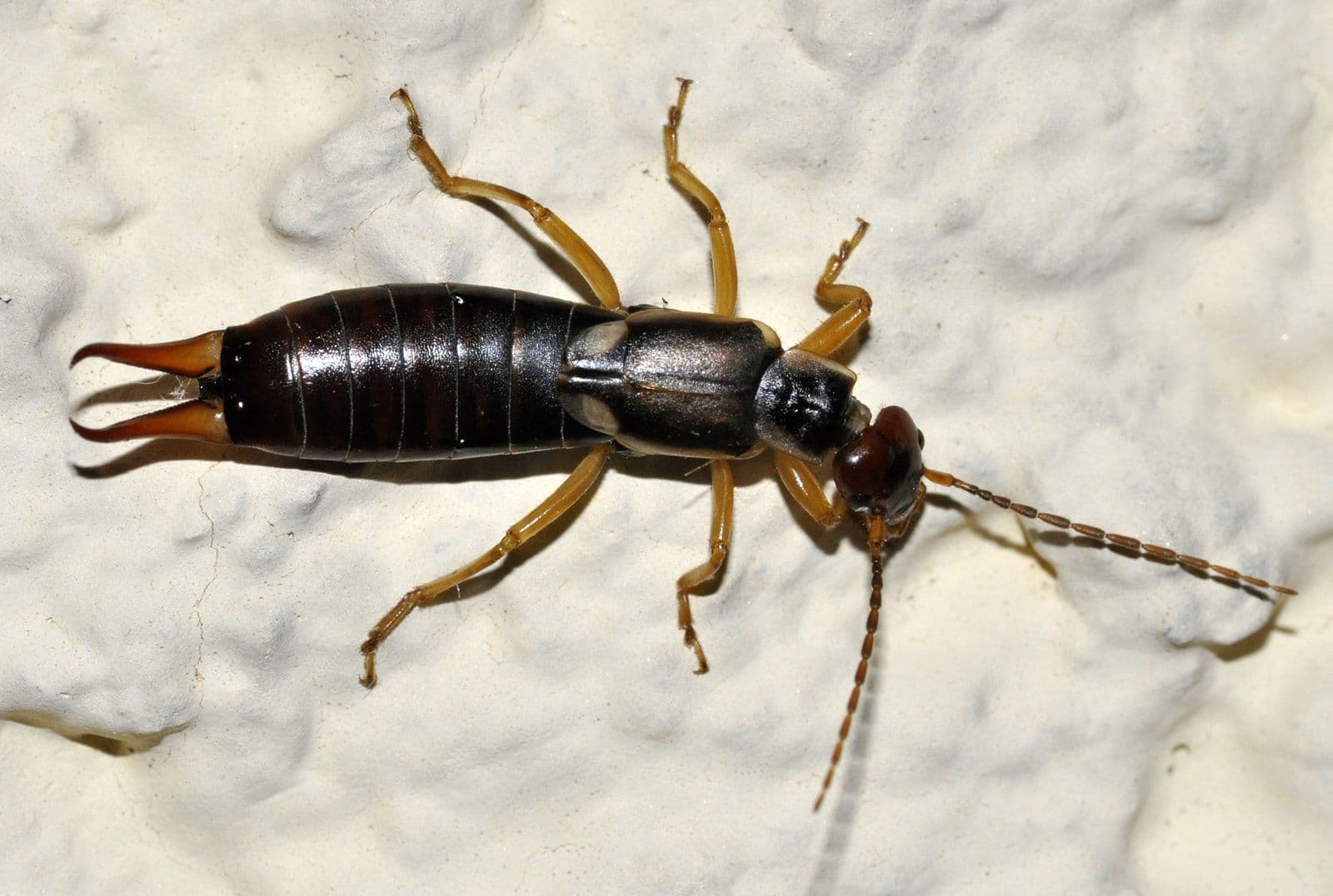
European Earwig
Forficula auricularia
Dark brown, pincers at the rear, hides in damp spots.
 Household pestNo.11
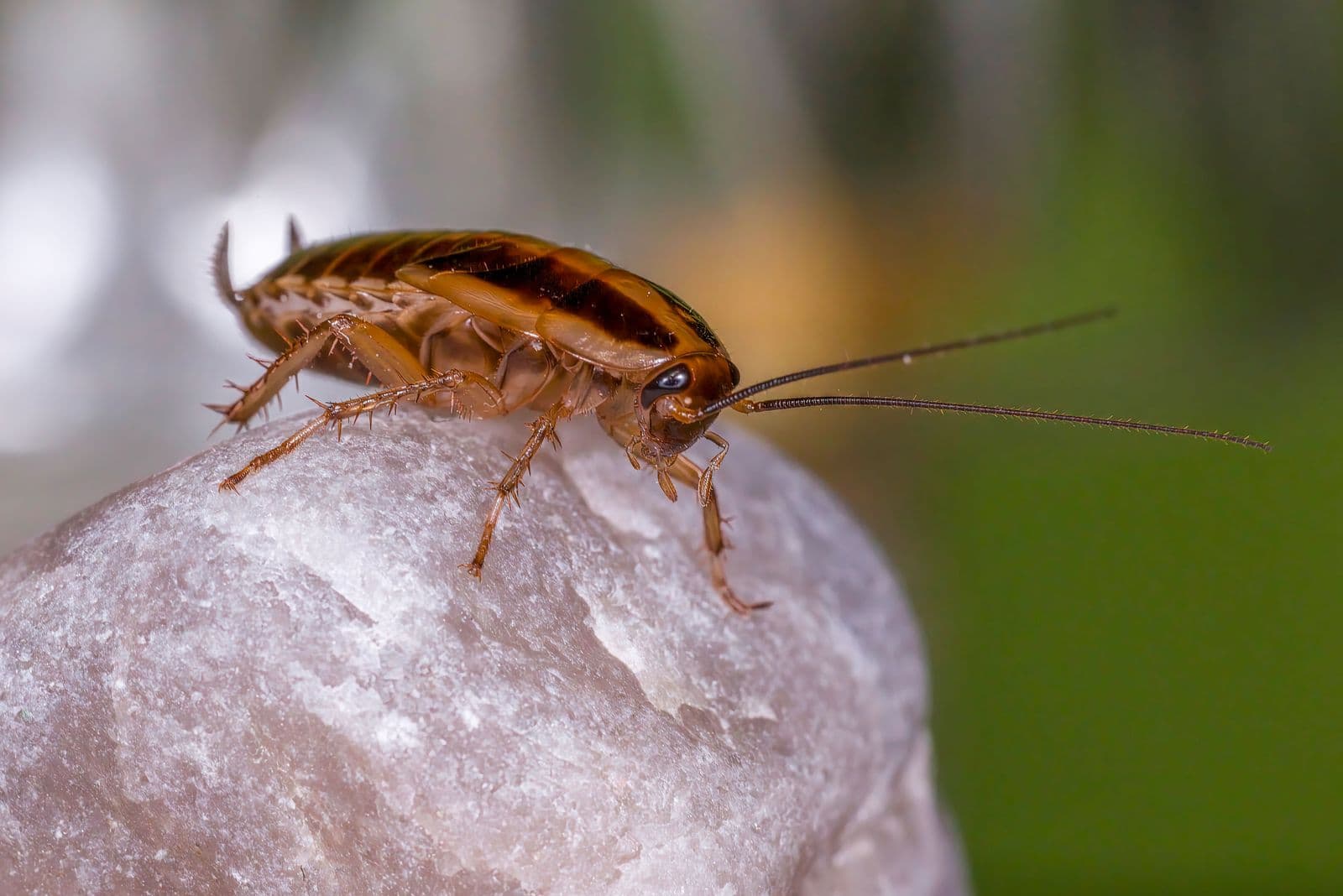
German Cockroach
Blattella germanica
Small, tan, two dark stripes behind the head, kitchens and bathrooms.
 Household pestNo.12
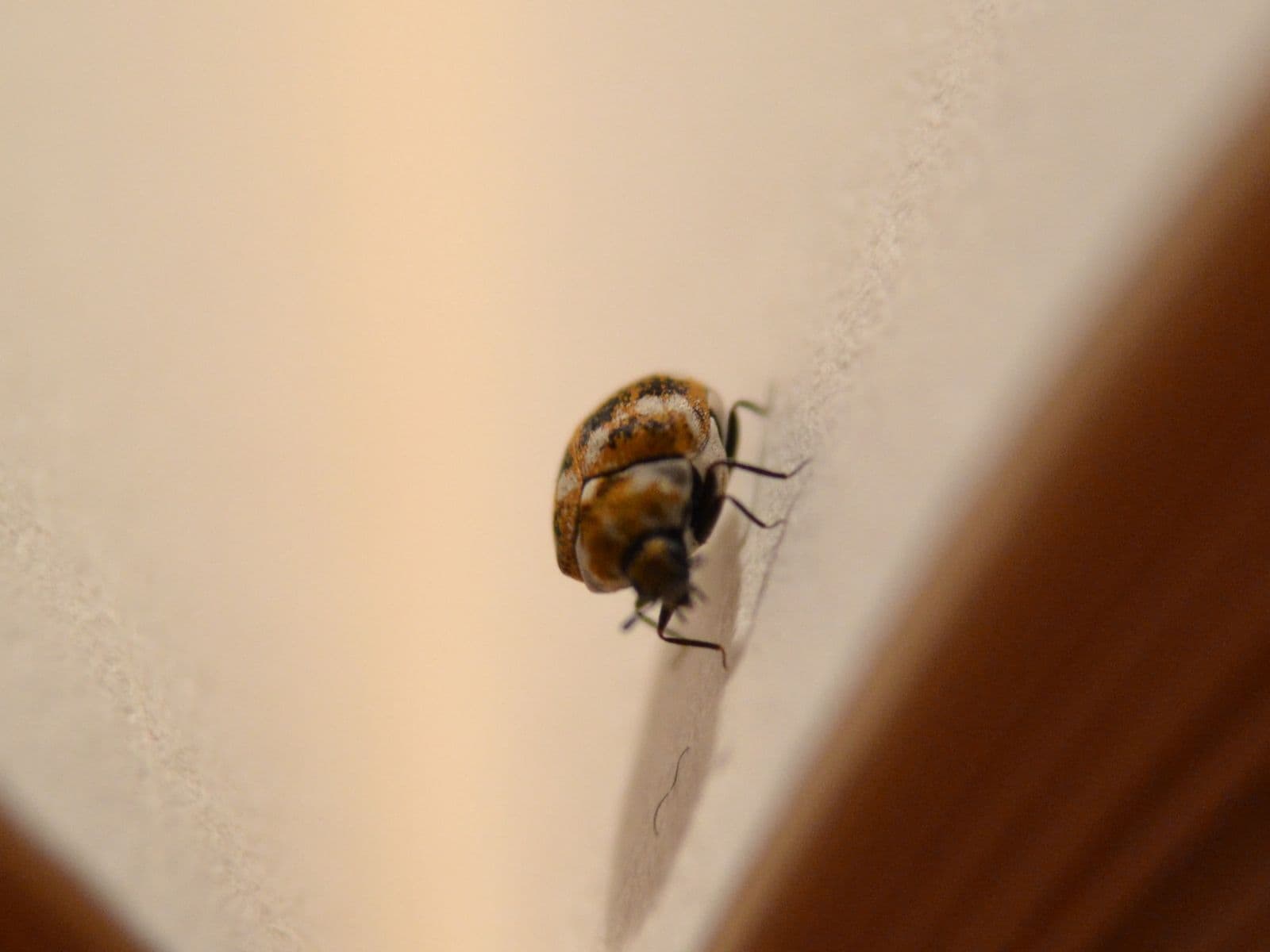
Varied Carpet Beetle
Anthrenus verbasci
Tiny round beetle, mottled white, brown and yellow scales, larvae eat wool.
Bite or no bite, here is what to do next.
Most of what you find indoors is harmless. A few species bite, one or two matter medically, and some mean you have a bigger problem in the walls. WhatBug.id will show you the features that separate lookalikes and what the match means for you. For a bite that swells, spreads, or comes with fever, see a doctor.
Questions
Q1Is this a bed bug?
Adult bed bugs are flat, oval and reddish brown, about the size of an apple seed, with no wings. They hide in mattress seams, bed frames and headboards, and their bites often show up in a line or a small cluster. Carpet beetles, spider beetles and young cockroaches are the usual lookalikes. If you find one, seal it in a bag or jar so a pest professional can confirm it.
Q2What spider is this, and is it dangerous?
Most spiders found in North American homes are harmless to people. The ones that matter medically are the brown recluse and the widow spiders. A brown recluse is plain tan with a dark violin shape behind the head and six eyes in three pairs. Wolf spiders and house spiders are often mistaken for it, and while they can bite, they are not considered dangerous.
Q3How do I identify a bug from a photo?
Get the bug in focus and fill the frame, from above if you can. Note where you found it, its size and how many legs it has, since those narrow the options quickly. Then compare body shape, markings and antennae against the likely lookalikes. WhatBug.id will run that comparison for you when it opens.
Q4What is the best bug identifier app?
iNaturalist is good for community-confirmed IDs, and Google Lens gives a fast first guess. WhatBug.id is built for the bugs people find at home and on themselves, and it shows the features that separate one match from the next. It runs in the browser, so there is nothing to install.
Q5When does WhatBug.id launch?
We are building it now and have not set a date. Join the waitlist and we will email you once when it opens.
Get it first
Leave your email and we will send one message when WhatBug.id opens.